Compare Local Contractors for Effective Tick Control Services
Compare local contractors for tick control to define scope, verify experience, and establish clear expectations for effective, reliable property protection.
Contractors specializing in tick control services typically handle a range of tasks aimed at reducing tick populations on residential and commercial properties. This often includes inspecting the property to identify tick habitats, applying targeted treatments to landscape areas, and implementing strategies to create less hospitable environments for ticks. Such work may involve managing vegetation, removing leaf litter, and treating grassy or shaded areas where ticks are most active. Understanding the scope of these services helps property owners ensure that all relevant areas are addressed and that the approach aligns with their specific needs.
Clearly defining the scope of work is essential when working with local contractors for tick control. A well-outlined scope helps prevent misunderstandings and ensures that both parties agree on the services to be provided. Property owners should verify what treatments are included, such as the types of products used, the areas covered, and any follow-up or preventative measures. Having these details in writing creates a clear reference point, making it easier to evaluate whether the contractor’s offerings match the property’s requirements and to hold service providers accountable for delivering the agreed-upon work.
When comparing local contractors for tick control services, property owners are encouraged to consider experience, reputation, and the range of services offered. Checking references or reviews can provide insight into a contractor’s track record with similar properties. It’s also beneficial to verify that the contractor understands local conditions and has experience managing tick populations in the area. Additionally, reviewing written descriptions of services and scope can help identify differences in approach and ensure that expectations are aligned before making a decision. This careful comparison supports selecting a service provider capable of meeting the property’s specific tick management needs.
Compare local contractors by outlining your priorities, verifying experience, and clearly defining project expectations in writing.
- Compare Contractor Credentials - Review experience and reputation to select reliable service providers.
- Define Service Scope Clearly - Establish the specific tick control tasks to ensure aligned expectations.
- Verify Experience and Expertise - Confirm that contractors have relevant background in tick management.
- Document Agreements in Writing - Create clear, detailed contracts to outline scope, responsibilities, and expectations.
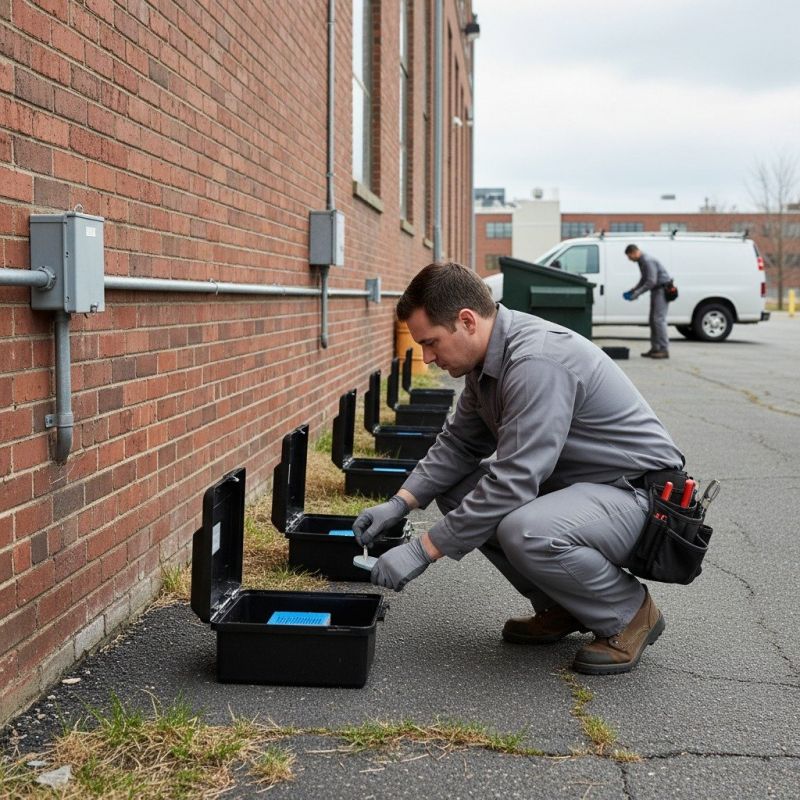
Clearly describe your tick control project before comparing local contractors to ensure accurate scope and expectations.
- Verify the experience and reputation of local contractors specializing in tick control services. - Look for providers with a proven track record in managing tick populations effectively.
- Define the scope of work clearly in written agreements to ensure mutual understanding of services provided. - Ensure the scope includes treatment areas, methods, and any follow-up procedures.
- Compare multiple local contractors to assess the range of services offered and their approaches to tick management. - Consider how each provider plans to address tick habitats and prevent future infestations.
- Check for references or reviews that speak to the contractor’s ability to handle tick control projects successfully. - Use feedback from previous clients to gauge reliability and effectiveness.
- Ensure that the scope of work and expectations are documented in writing before work begins. - Confirm that all details, including treatments and responsibilities, are clearly outlined in the agreement.
- Assess the contractor’s knowledge of local tick species and appropriate control methods for your area. - Local expertise can impact the effectiveness of the treatment plan.
Compare local contractors to clarify scope, verify experience, and set clear expectations in writing.




This scope builder helps compare local contractors, define service details, verify experience, and set clear expectations in writing.
- Scope Definition - Clearly outline the specific tick control tasks required, including targeted areas and desired outcomes.
- Experience Verification - Confirm that local contractors have relevant experience in tick management and pest control services.
- Methodology Clarification - Specify the pest control methods and products that will be used to ensure they meet the property's needs.
- Service Expectations - Establish detailed expectations for the scope of work, including coverage, treatment frequency, and follow-up procedures.
- Written Agreement - Obtain a comprehensive, written description of the scope, procedures, and responsibilities to prevent misunderstandings.
When evaluating contractors for tick control services, it is important to consider their experience with similar projects. Homeowners should inquire about the types of properties they have worked on and the specific tick control methods they have employed. A contractor with a proven track record handling environments comparable to the property in question can offer insights into effective strategies and practical considerations. This background helps ensure that the chosen service provider understands the nuances of tick management in residential settings and can tailor approaches accordingly.
A clear, written scope of work is essential for establishing mutual understanding and setting expectations. Homeowners should seek detailed documentation that outlines the specific tasks to be performed, the areas to be treated, and the methods to be used. A well-defined scope helps prevent misunderstandings and provides a reference point for evaluating whether the scope aligns with the property’s needs. Service providers who can articulate their process in writing demonstrate professionalism and transparency, making it easier to compare different contractors objectively.
Verification of a contractor’s experience and qualifications can be approached by requesting references or examples of past work. While licensing and certification are not the focus here, confirming that a contractor has successfully completed similar projects adds confidence in their capabilities. Homeowners should ask about the outcomes of previous tick control efforts and whether the contractor has encountered and managed challenges similar to those on the current property. This verification process helps distinguish contractors with relevant experience from those less familiar with effective tick management techniques.
When comparing options, it is helpful to evaluate how each contractor communicates their approach and how well their scope of work aligns with the property’s needs. Homeowners should review written proposals carefully, paying attention to the level of detail provided and whether the scope addresses all areas of concern. Clarifying the methods and expectations in writing allows for a straightforward comparison of service providers’ approaches. Focusing on experience, clarity, and thoroughness in their proposals ensures that the selection process is based on the quality and suitability of the services offered, rather than price alone.
Ask contractors to provide written descriptions of the scope and expectations to ensure clarity and consistency.
- Scope of Services - What specific tick control methods and treatments are included in the service proposal?
- Experience and Expertise - How long have the service providers been handling tick control, and what types of properties have they worked on?
- Treatment Frequency and Follow-up - What is the recommended schedule for treatments, and how are ongoing issues managed?
- Guarantees and Warranties - Are there any assurances or written warranties provided for the effectiveness of the treatment?
- Service Approach and Methods - How do the contractors plan to assess your property and customize their approach to your specific needs?
How can I compare contractors for tick control services? To compare contractors, review their experience, services offered, and customer feedback to identify those best suited to your specific needs.
What should I consider when defining the scope of a tick control project? Clearly outline the areas to be treated, the level of infestation, and any specific concerns to ensure contractors understand the full extent of the work.
How do I verify the experience of local service providers? Ask contractors about their previous work with tick control, request references or case studies, and check their background in handling similar projects.
Why is it important to get the scope of work in writing? Having a written scope helps set clear expectations, details the services to be provided, and serves as a reference for the project’s agreed-upon tasks.
What questions should I ask contractors about their tick control methods? Inquire about the techniques they use, the products applied, and their approach to ensuring effective and safe tick management.
How can I ensure the contractor understands my specific tick control needs? Communicate your concerns clearly, discuss the scope in detail, and confirm that the contractor’s proposed approach aligns with your expectations before work begins.
This page provided an overview of how to find and compare contractors who can handle tick control services. Visitors learned the importance of defining the scope of work, verifying experience, and setting clear expectations in writing to ensure a smooth process. By exploring these key points, it becomes easier to identify service providers that meet specific needs and preferences.
To make an informed choice, consider using the quote form to compare options available in the area. Connecting with local contractors through this method allows for a straightforward way to evaluate different service providers and find the best match for tick control needs.